Schedule
Stay updated on the teaching activities planned for the course.
Access the schedule

The Graduate Program in Socioeconomic Development (PPGDS), master's and doctorate degree, at the Universidade do Extremo Sul Catarinense (UNESC), is aimed at graduates from different areas of knowledge, master's graduates from courses recognized by CAPES, professionals who have graduated and work in organizations such as companies, cooperatives, public administration entities, organized civil society, teaching and research institutions such as universities, colleges, foundations, municipalities, schools, among others.
Read moreOur mission is to train professionals for careers in scientific research, teaching, and in public and private organizations, offering solid theoretical and methodological training and research experience, contributing to the promotion of local and regional socioeconomic development.
Our general objective is:
• To train professionals to work in scientific research, teaching and in public and private organizations, who can contribute to promoting local and regional socio-economic development.
Our specific Objectives are:
• To provide opportunities to carry out and disseminate scientific research in the field of socioeconomic development that meets local and regional needs;
• To contribute to the training of professionals for teaching in undergraduate and graduate programs;
• To prepare professionals for roles within organizations, in the planning and development of company strategies;
• To contribute to the training of professionals to work in social management and in the production of subsidies for the formulation and evaluation of public policies, in the search for alternatives to local and regional problems;
• To foster integration of graduate courses with different undergraduate courses and the university with society.
Our concept of socioeconomic development is directly related to the range of human activities that take place within local, regional, and national contexts. Through the combination and interaction of the different spheres of existence (economic, political, social and cultural), socioeconomic development aims to promote democracy and social justice, broadening the horizons of opportunity in the pursuit of full citizenship. This concept integrates different areas of knowledge, establishing interdisciplinary dialogues and with the very society that is at the center of it, with the aim of producing and disseminating research that can contribute to socioeconomic development. This set of objectives will be achieved through the combination of the categories of work, organizations, development, and social management, covered by the two lines of research.

Discover our research lines
Confira os detalhes de cada disciplina que você estudará neste programa!


Taking an isolated course can be a great opportunity for you to experience the PPGDS environment and connect with faculty and research groups. Enrollment in an isolated course does not guarantee admission to the program; however, even as a non-regular student, you will experience the classes and routine of the master's/doctoral program.
Please provide the following documents and contact the course coordination.
completed application form;
photocopy of your ID;
photocopy of your CPF;
photocopy of your Bachelor's Degree Diploma (to enroll in the Master's program);
photocopy of your Master's Degree Diploma (to enroll in the Doctoral program);
Curriculum Lattes from CNPq, obtained on the Lattes platform at http://lattes.cnpq.br
Note: You can take a maximum of 3 (three) courses in an isolated manner.
For more information, please contact us at ppgds@unesc.net or by phone at 48 3431-2624.
See who the faculty and supervisors in our program are:
Graduated in Economics from Universidade do Sul de Santa Catarina (UNISUL). Master’s degree in Geography from Universidade Federal de Santa Catarina (UFSC). Ph.D. in Economic Science from Universidade Estadual de Campinas (UNICAMP). CNPq Research Productivity Fellow – Level 2.
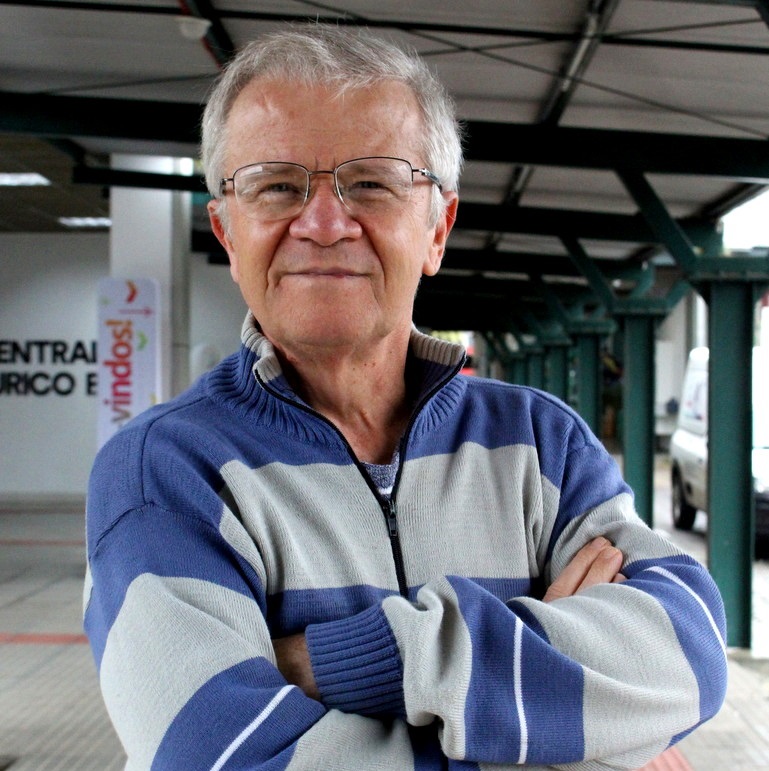
Graduated in Economics. Master’s degree in Administration and Economics and Ph.D. in Political Sociology from Universidade Federal de Santa Catarina (UFSC).
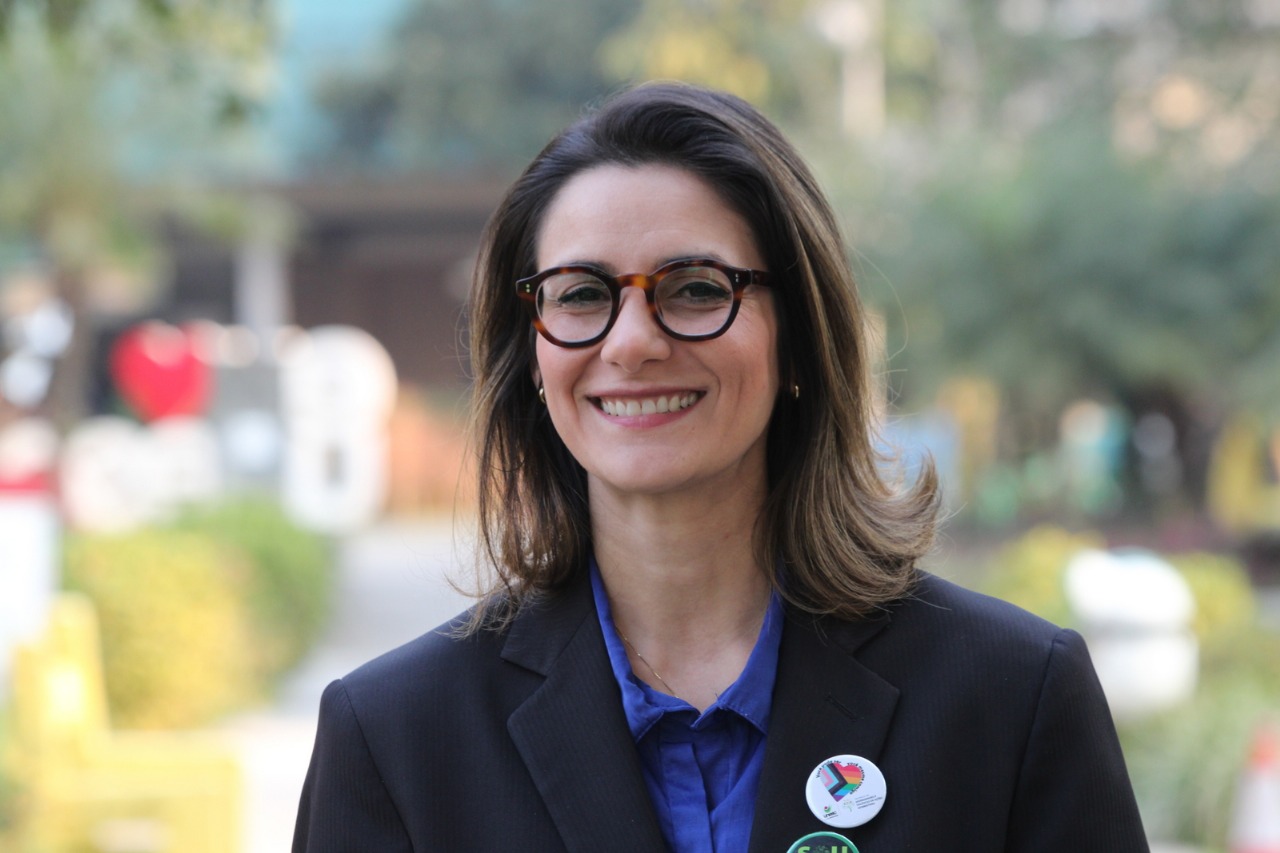
Bachelor's degree in History from the State University of Santa Catarina (UDESC), Master's degree in History from the Federal University of Santa Catarina (UFSC), and PhD in History from the State University of Santa Catarina (UDESC).
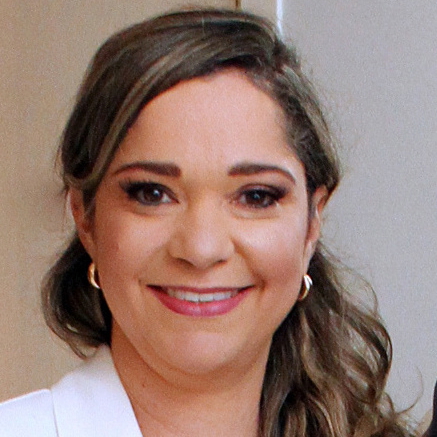
Bachelor's and Teaching Degree in Social Sciences from the Federal University of Santa Catarina (UFSC). Master's and PhD in Political Sociology from the Federal University of Santa Catarina (UFSC).
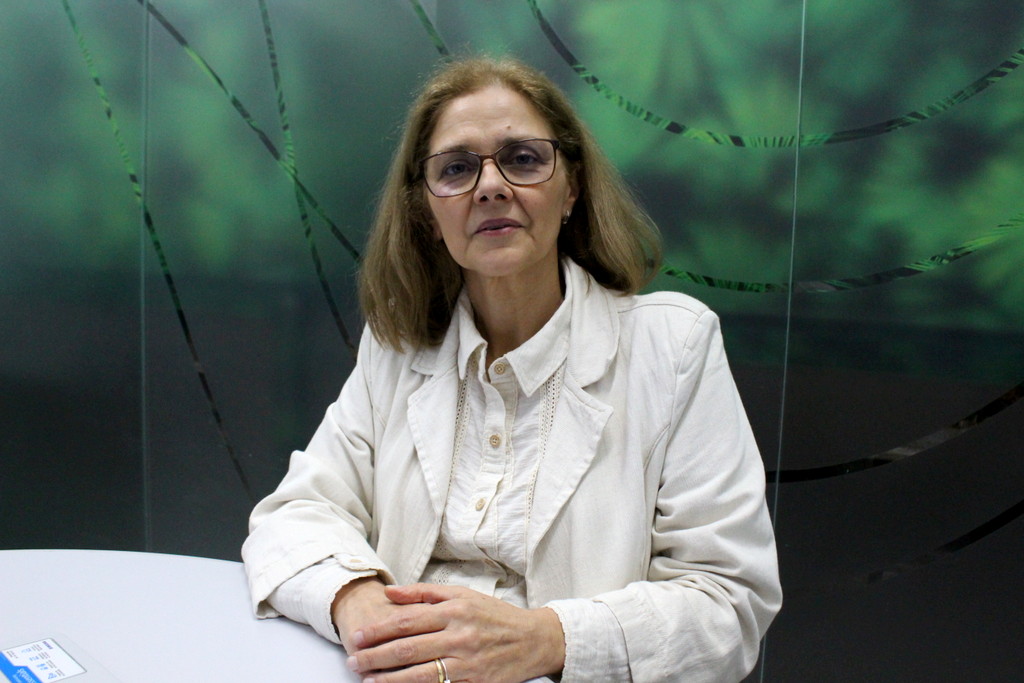
Graduated and Master in Psychology and Ph.D. in Human Sciences from Universidade Federal de Santa Catarina (UFSC).
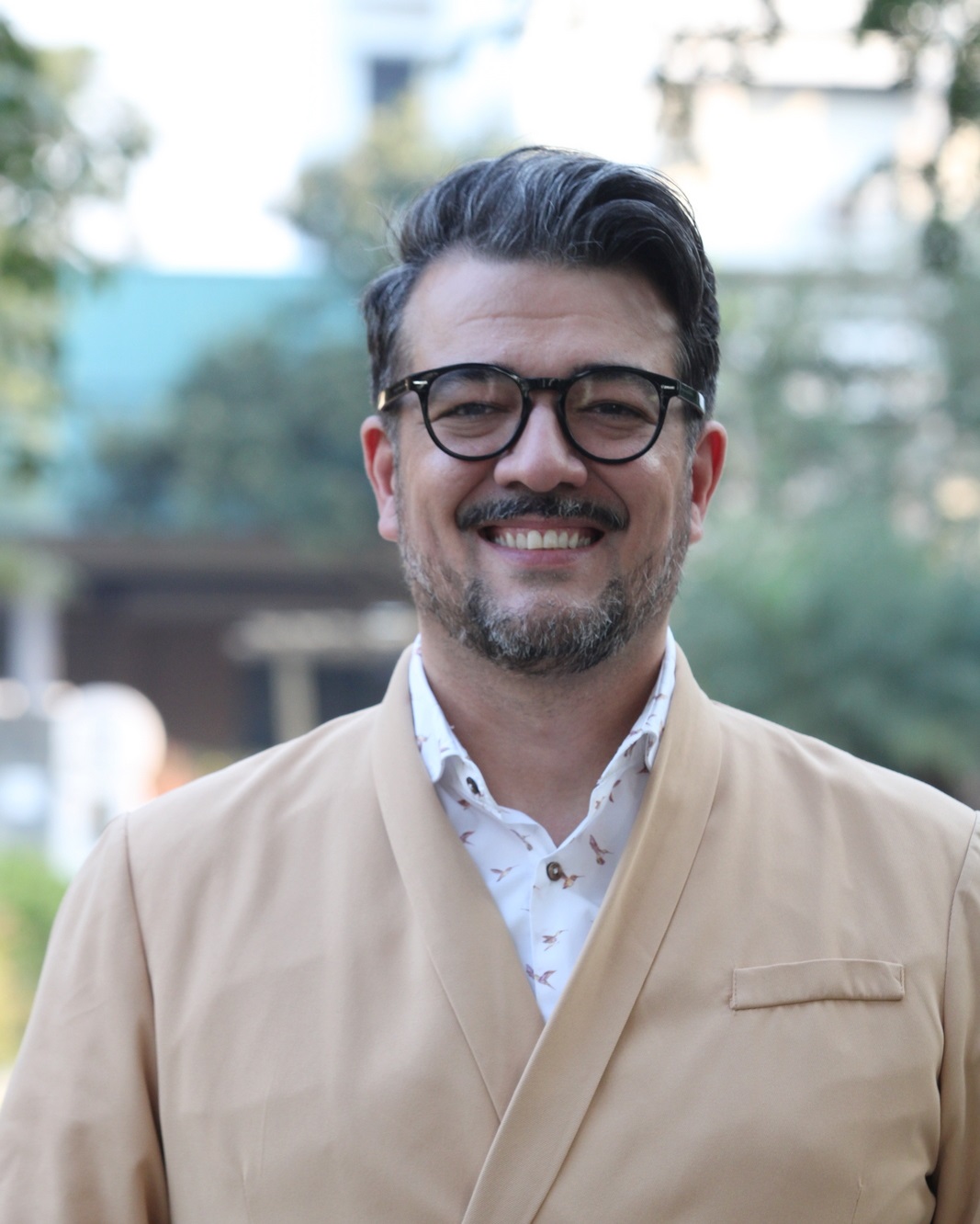
Graduated in History (Bachelor’s and Education degrees) from Universidade do Extremo Sul Catarinense (UNESC). Master’s degree in History from Universidade do Estado de Santa Catarina (UDESC). Ph.D. in History from Universidade Federal do Paraná (UFPR).
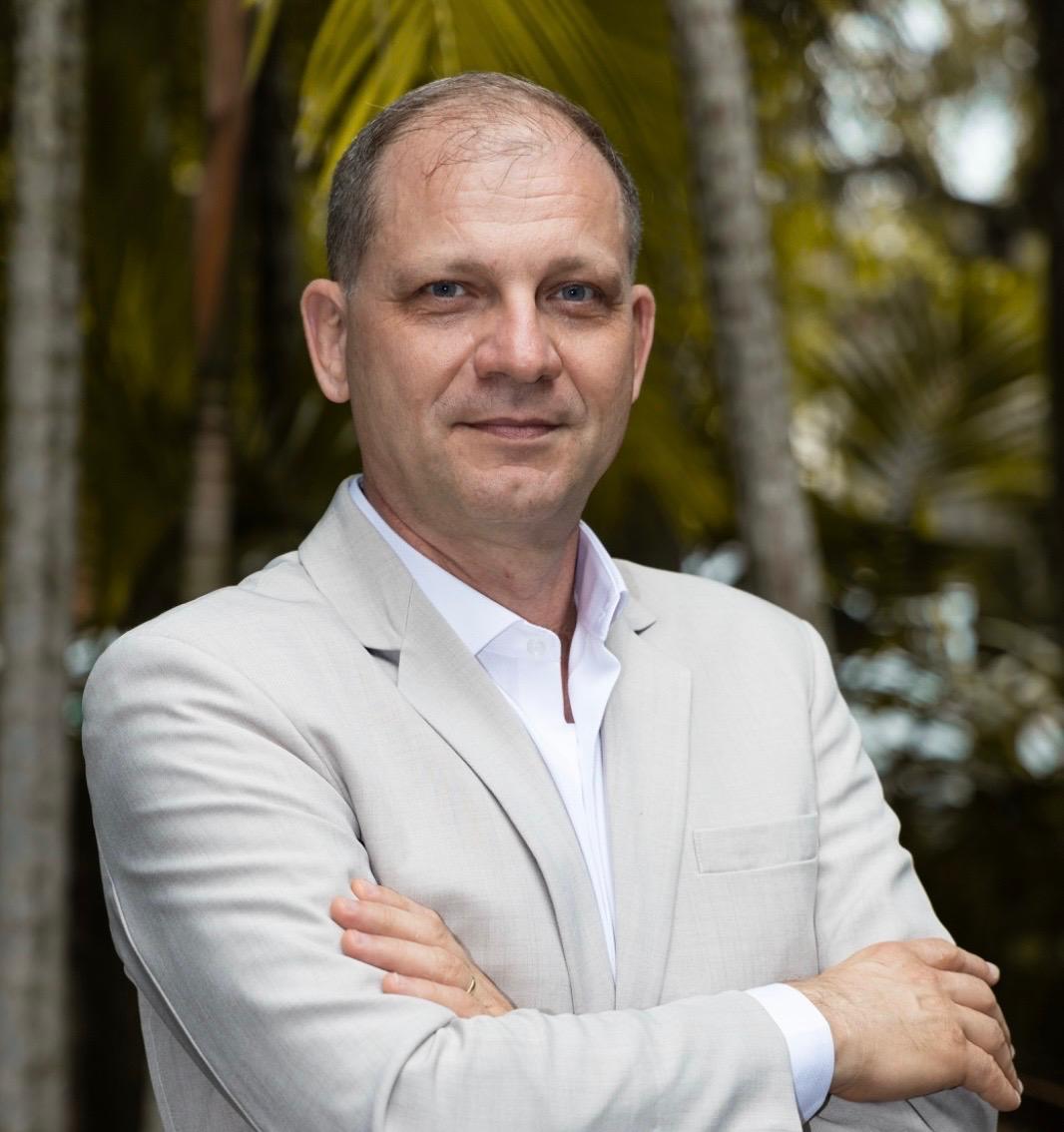
Graduated in Business Administration from Universidade do Extremo Sul Catarinense (UNESC). Master’s degree in Administration from Universidade Regional de Blumenau (FURB). Ph.D. in Accounting and Administration from Universidade Regional de Blumenau (FURB).
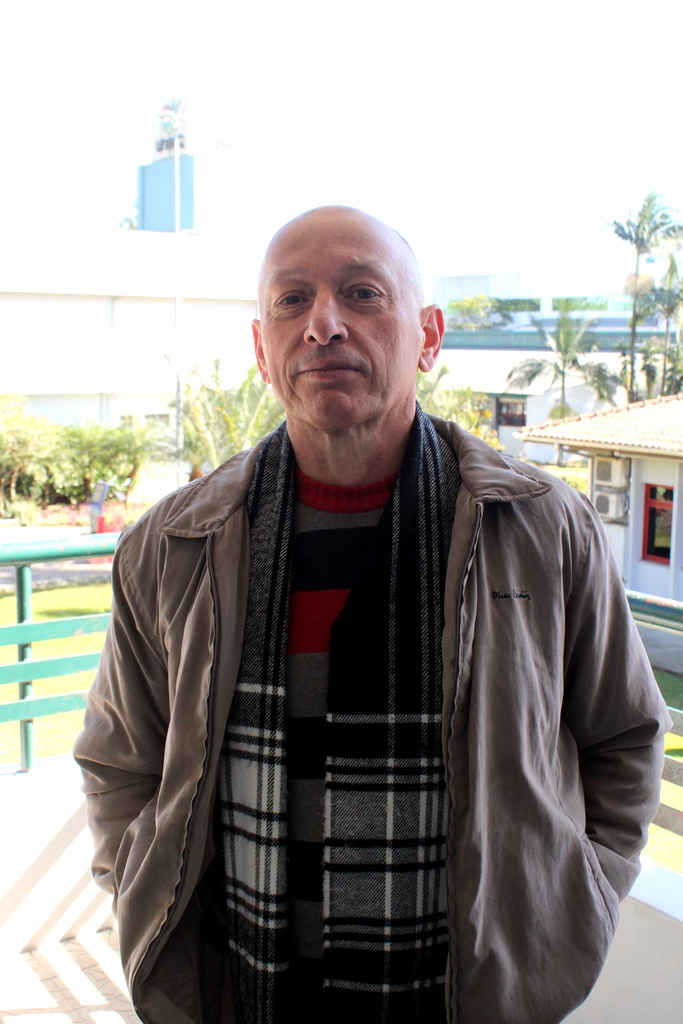
Graduated in History (Education degree) from Universidade do Sul de Santa Catarina (UNISUL). Master’s in History from Universidade Federal de Santa Catarina (UFSC). Ph.D. in History from Pontifícia Universidade Católica do Rio Grande do Sul (PUCRS).

Graduated in History (Bachelor’s and Education degrees) from Universidade do Extremo Sul Catarinense (UNESC). Master’s and Ph.D. in History from Universidade do Estado de Santa Catarina (UDESC).
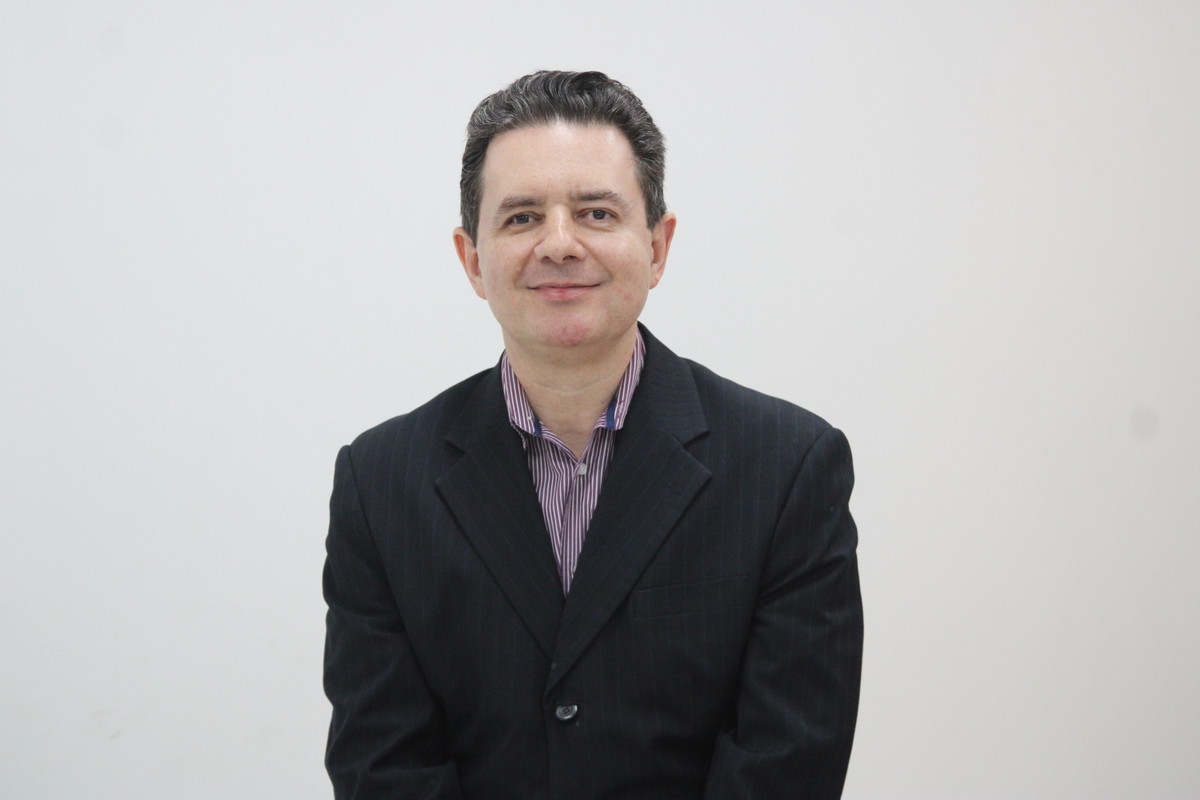
Graduated in Law from Universidade do Sul de Santa Catarina (UNISUL). Master’s and Ph.D. in Law from Universidade Federal de Santa Catarina (UFSC).
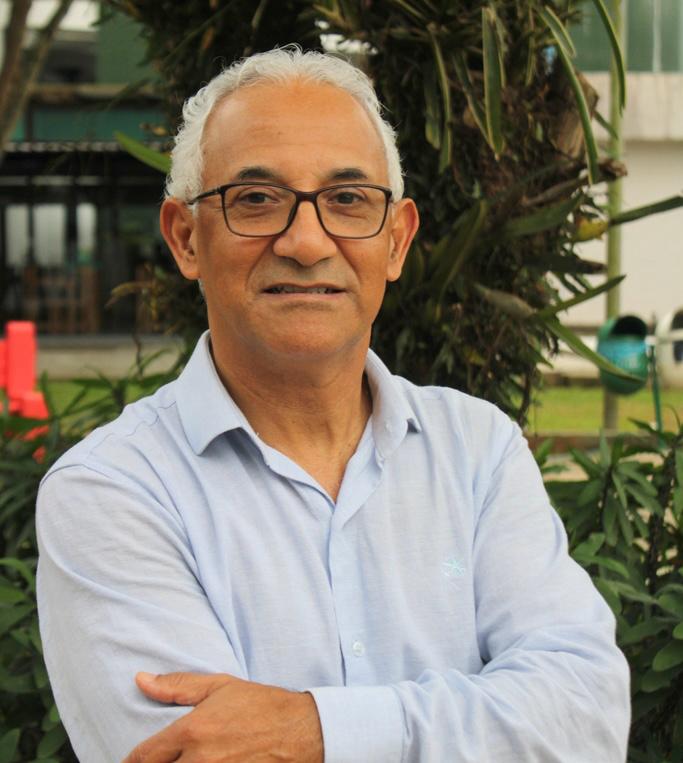
Graduated in Business Administration from Faculdade Porto Alegrense de Ciências Contábeis e Administração (FAPCCA). Graduated in Accounting and Social and Legal Sciences from Universidade do Vale do Rio dos Sinos (UNISINOS). Graduated in Economics from Universidade do Sul de Santa Catarina (UNISUL). Master’s in Administration and Business from Pontifícia Universidade Católica do Rio Grande do Sul (PUCRS). Ph.D. in Administration and Tourism from Universidade do Vale do Itajaí (UNIVALI).
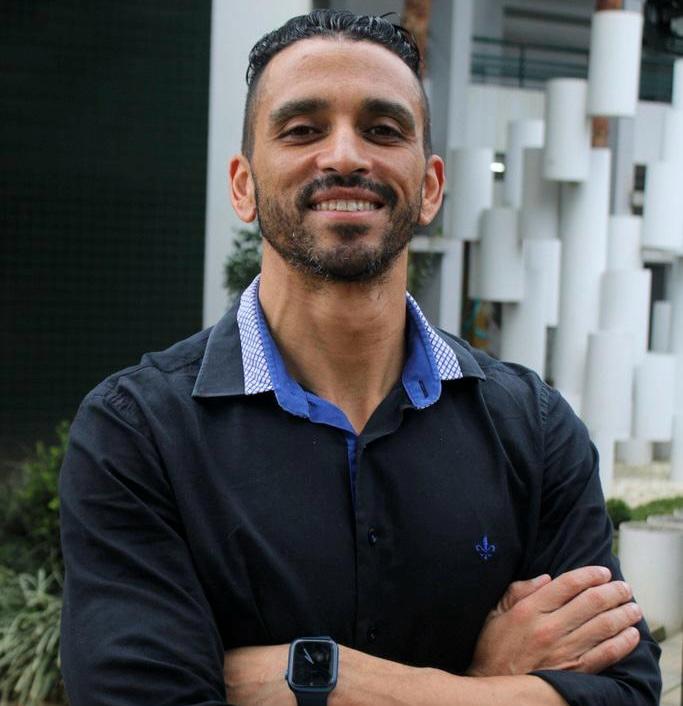
Graduated in Business Administration from Faculdade de Ciências Econômicas da Região Carbonífera (FACIERC). Master’s in University Administration and Ph.D. in Knowledge Engineering and Management from Universidade Federal de Santa Catarina (UFSC).
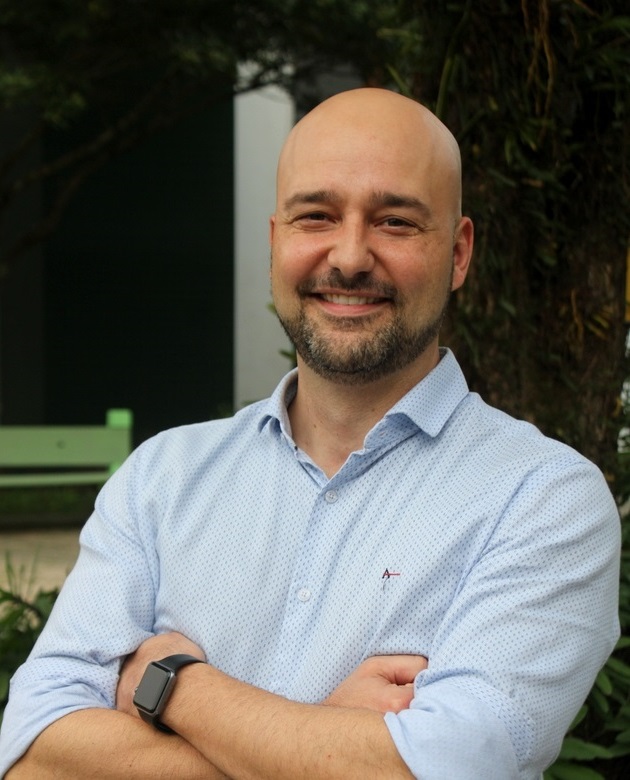
Graduated in Economics and Master’s in Economics from Universidade Federal de Santa Catarina (UFSC). Ph.D. in Economics from Universidade do Vale do Rio dos Sinos (UNISINOS).
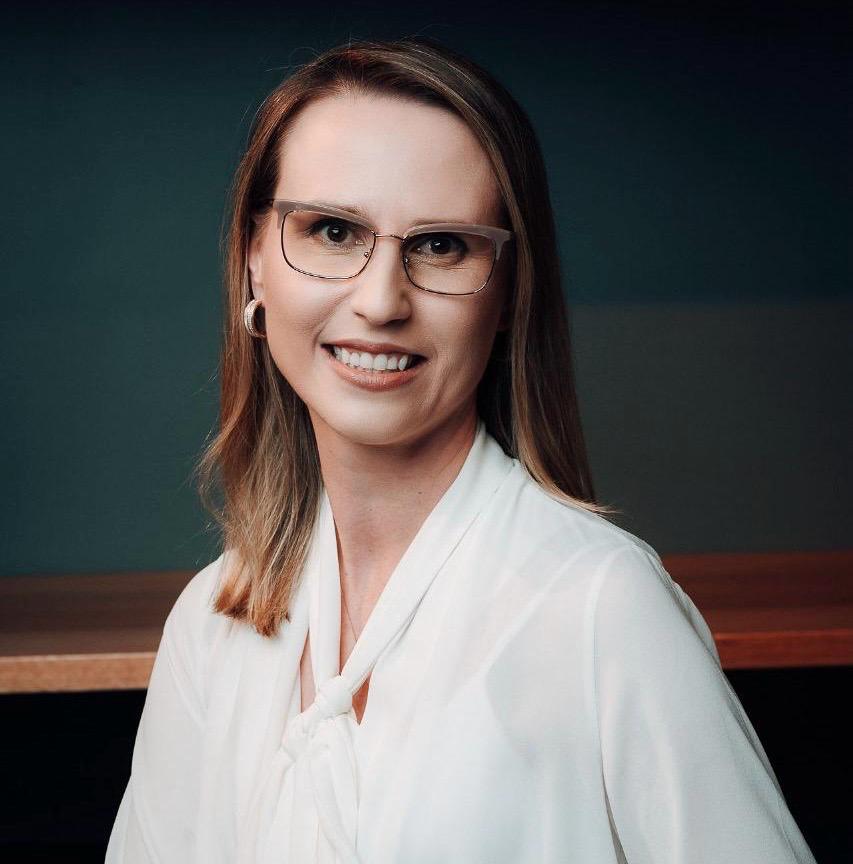
Holds a Bachelor's degree in Architecture and Urbanism from the Universidade do Extremo Sul Catarinense (UNESC). Earned a Master’s and a Ph.D. in Architecture and Urbanism from the Universidade Federal de Santa Catarina.
Annually, the PPGDS launches selection notices for new master's and doctoral classes. The selection process includes four stages: registration, submission of a pre-project, analysis of the academic curriculum and an interview.
The PPGDS offers scholarships through Capes, which include two different modalities: a) tuition fees that are waived, and b) full scholarships, in which the student also receives a monthly amount of money. Full scholarships are also offered by Fapesc and CNPQ. To apply for scholarships, keep an eye on the public notices.
Application Period - September 18 to November 2, 2026
Learn more about the deadlines, announcements, and documents required for this Selection Process.
Closed
Learn more about the deadlines, announcements, and documents required for this Selection Process.
Application Period - September 18 to November 2, 2026
Learn more about the deadlines, announcements, and documents required for this Selection Process.
Closed
Learn more about the deadlines, announcements, and documents required for this Selection Process.
Closed
Learn more about the deadlines, announcements, and documents required for this Selection Process.
Closed
Learn more about the deadlines, announcements, and documents required for this Selection Process.
The intellectual production of the PPGDS is the result of a plural formative process that involves students, faculty, and other researchers in the creation of high-impact knowledge, capable of significantly altering the daily life of the surrounding community. Furthermore, in its various dimensions, it results from co-authorship among faculty, students, and alumni, with a strong connection to the area of concentration, research lines, and thematic projects of the faculty.
Access and learn about the research groups of PPGDS and their members
Access here and read the full texts of the Course Completion Papers from the Master's in Socioeconomic Development.
Access here and read the full texts of the Course Completion Papers from the Doctorate in Socioeconomic Development.
The Graduate Program in Socioeconomic Development (PPGDS) is strongly aligned with the commitment to promote concrete advancements in the areas of social, economic, cultural, ethical-political, and technological development, through connections between the local and the global. Thus, research developed in the PPGDS, by faculty and students, seeks to understand complex phenomena in our society, establishing cooperation strategies with the community, aligning its work with social needs, through the relationship between the production of academic knowledge and socioeconomic development practices. By promoting an education that values social commitment, higher education institutions have the opportunity to become transformative agents, contributing to the development of democracy and social justice, expanding the horizons of opportunities in the pursuit of full citizenship.
At PPGDS, internationalization actions are carried out based on research demands, events, technical work, among others, led by faculty and students, with the aim of strengthening and expanding partnerships that contribute to the academic and professional development of the involved groups. By fostering international collaborations and exchanges, PPGDS reinforces its commitment to quality education that is attentive to the dimensions of socioeconomic development, in dialogue with global, regional, and local demands. We list consolidated international agreements and projects.


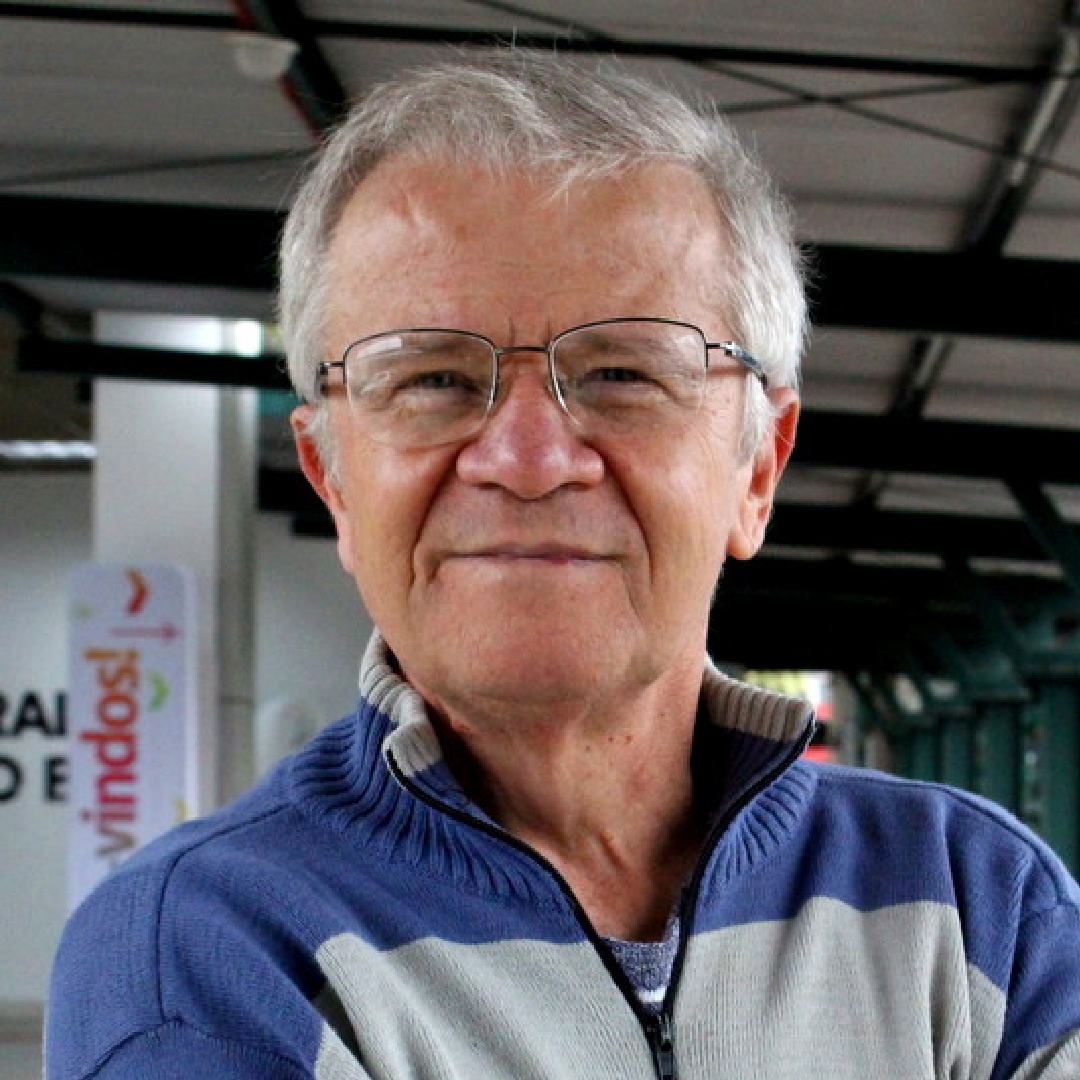
Prof. Dr. Dimas de Oliveira Estevam
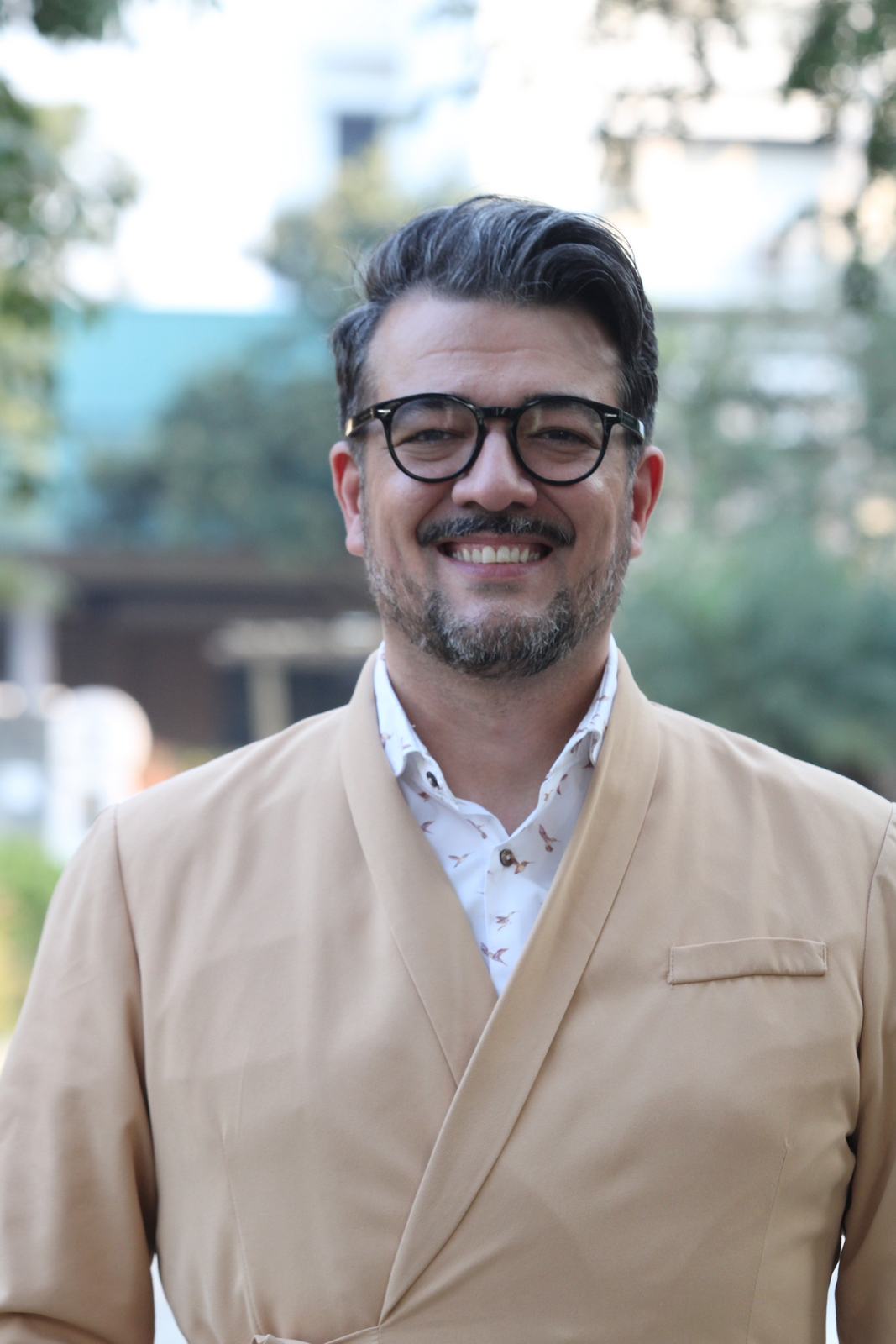
Prof. Dr. Ismael Gonçalves Alves
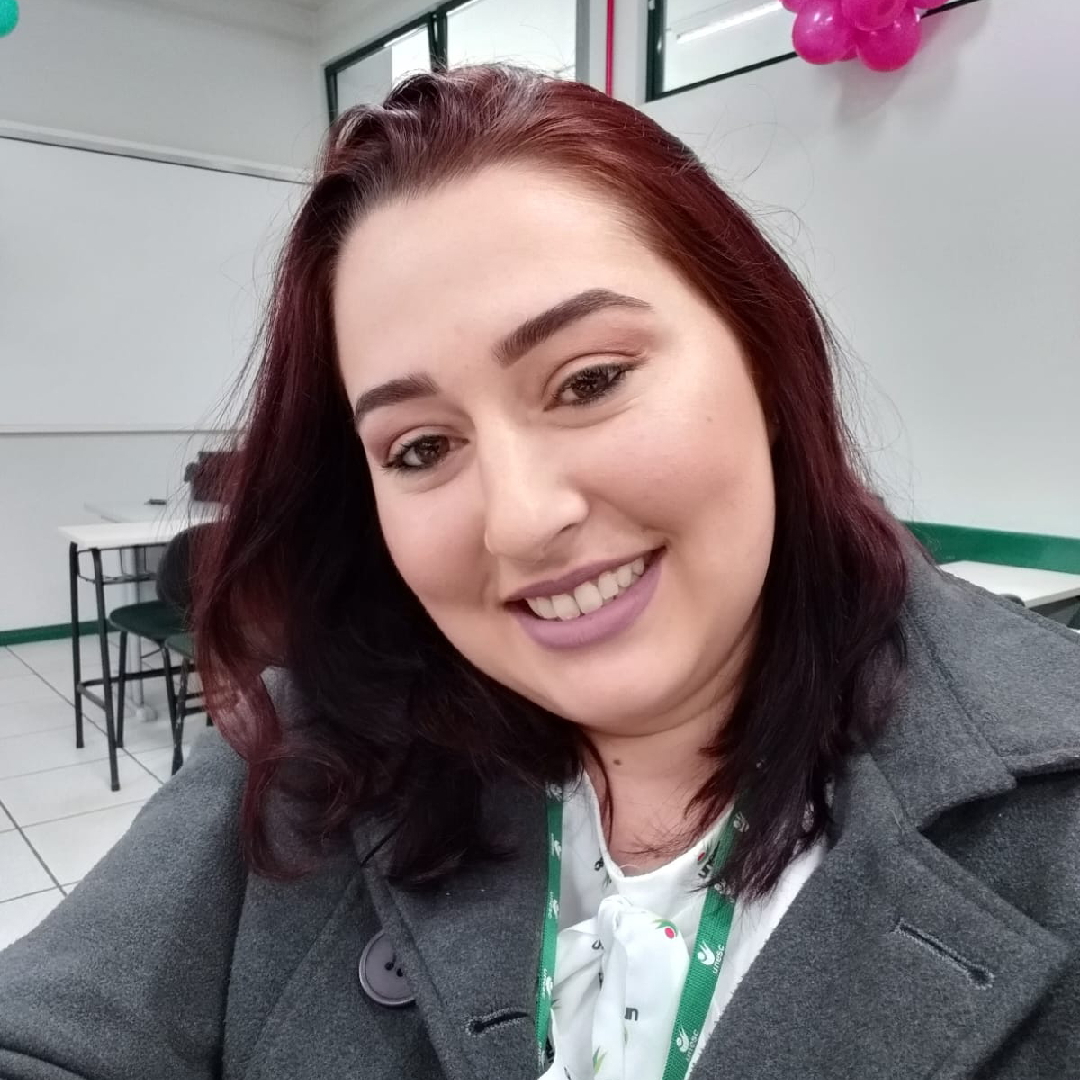
Luciana Ávila de Medeiros
Contact our secretary
