Schedule
Stay updated on class times
Access the schedule
In 2002, the Universidade do Extremo Sul Catarinense (UNESC) started the Graduate Program in Environmental Sciences (PPGCA), at Master's level, which was officially recommended by CAPES in December 2001. The PPGCA has an interdisciplinary character, both due to the diversity in the academic background of its faculty and the content of the planned courses, and in light of the perspective required for addressing socio-environmental issues, being part of CAPES’s broad Multidisciplinary area.
The PPGCA, in its early stages, was part of the Interdisciplinary Area and in 2011 it migrated to the Environmental Sciences Area (49.CAmb), which was created by Ministerial Order 081 of June 6, 2011. The program had its doctorate recommended by CAPES in 2012 and started its first class in 2013.
After a few years, the Program demonstrated progress toward its implementation goals, awarding degrees to 257 Master's and 38 PhD graduates from the most diverse areas of scientific knowledge. In August 2023, the program had 23 master's students and 29 PhD students in training.
In the evaluations by the Area Committee, the PPGCA obtained a score of 3 in the 2004-2006 and 2007-2009 triennials; in the 2010-2012 triennial evaluation, it obtained a score of 4; in the 2013-2016 quadrennial evaluation it maintained its score of 4 and in the 2017-2020 quadrennial evaluation it obtained a score of 5.
In order to achieve these results (increase in the master's degree grade and recommendation of the doctorate by CAPES) it is worth highlighting, among others, the following actions and procedures that began in 2012: a) approval and implementation of the doctoral program with score 4; b) expansion of the permanent faculty with participation in strategic areas of concentration that contribute to the interdisciplinary training of the program; c) onsolidation and adjustment of the lines of research; d) advancement in academic-scientific and intellectual output of faculty and students; e) restructuring of courses starting in 2013 with the involvement of at least two faculty members from different research lines and a greater emphasis on interdisciplinarity; f) compliance with deadlines for dissertation defenses of scholarship students; g) expansion of its demand to other regions of Brazil and within the Institution itself; h) increase in the Program’s presence and output in national and international congresses; i) organization of regional/national events promoted by the Program; j) revitalization of the journal Tecnologia e Ambiente, which is being published digitally on the UNESC journal portal; k) community involvement and regional engagement; l) integration with undergraduate programs and alumni of the Program.
The Graduate Program in Environmental Sciences has the mission of training qualified professionals, promoting interdisciplinary research in order to understand, address and solve contemporary socio-environmental challenges, committed to ethics, innovation and social responsibility, for the conservation and restoration of the environment and sustainable development.
The objectives of the PPGCA are:
To provide students with specialized training in the various areas of Environmental Sciences, with an emphasis on concepts, theories and methodologies that address contemporary challenges.
To stimulate research in Environmental Sciences, encouraging the production of original and innovative knowledge that contributes to the understanding and solution of socio-environmental issues.
To promote collaboration and dialogue among different areas of knowledge, enabling students to become familiar with interdisciplinary approaches to understanding and solving environmental problems, as well as respect and dialogue with other forms of non-academic knowledge, such as those originating from Indigenous peoples and traditional communities.
To encourage the creation and application of innovative technologies that can contribute to environmental preservation and restoration, as well as sustainable development.
To develop projects and research aimed at biodiversity conservation and the promotion of the sustainable use of natural resources.
To encourage interaction between the academic community and society at large, promoting awareness and collective actions for environmental conservation.
To foster the participation of students and faculty in spaces for environmental public policy management and formulation.
To promote regional, national, and international collaborations to enrich students’ global nowledge in the field of Environmental Sciences.
The area of concentration "Ecology and Management of Altered Environments" addresses the complex relationship between society and nature, especially in countries such as Brazil, where growing urbanization leads to environmental degradation and compromises biodiversity and quality of life. The focus is on environmental and urban management, seeking to reconcile the conservation of natural resources with human well-being in order to promote socio-environmental sustainability. The program adopts an interdisciplinary approach, covering topics such as landscape ecology, conservation biology, urban planning and education for sustainability, aiming for integrated and dynamic solutions.
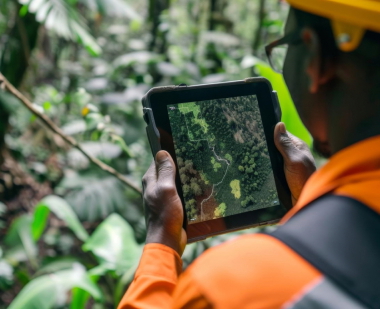
Discover our research lines
Check out the details of each course you will study in this program


In order to enroll as a special student, the candidate must follow the guidelines below and contact the Program office.
Students who are not enrolled in the Graduate Program in Environmental Sciences may be allowed to enroll for single subjects, at the discretion of the Coordinating Committee and subject to availability, under the following conditions:
I. Hold an undergraduate degree;
II. Submit the required documents for registration.
Enrollment in single subjects is limited to a maximum of 03 (three) subjects for each applicant.
Enrollment will be conditional on payment of a specific fee determined by the Office of Planning and Institutional Development.
Students regularly enrolled in another Stricto Sensu Graduate Program at UNESC are exempt from paying for the single subject to be taken.
Photocopy of the Undergraduate or Master's degree diploma;
Photocopy of the academic transcript from the Undergraduate or Master's program;
Photocopy of ID (RG) and CPF;
1 recent 3x4 photo;
Completed application form.
Enrollment may be completed up to 15 (fifteen) days prior to the start of the course.
Note: A maximum of 3 (three) single subjects may be taken.
For more information: ppgca@unesc.net or +55 (48) 3431 2595.
See who the faculty and supervisors in our program are:
Graduated in Mechanical Engineering from the Universidade Federal de Santa Catarina. Master's in Mechanical Engineering from the Universidade Federal de Santa Catarina. PhD in Chemical ngineering from the Universidade Federal de Santa Catarina. Post-doctorate from the Universitat Jaume I (Spain) and the Universidade Federal de Santa Catarina.
Graduated in Agronomy from the Universidade Federal de Santa Catarina and in Technology in Systems Analysis and Development from the Universidade do Extremo Sul Catarinense. Master's in Agricultural Engineering from the Universidade Federal de Viçosa. PhD in Water Resources and Environmental Sanitation from the Universidade Federal de Rio Grande do Sul. Post-Doctorate from the Universidade Federal de Rio Grande do Sul.
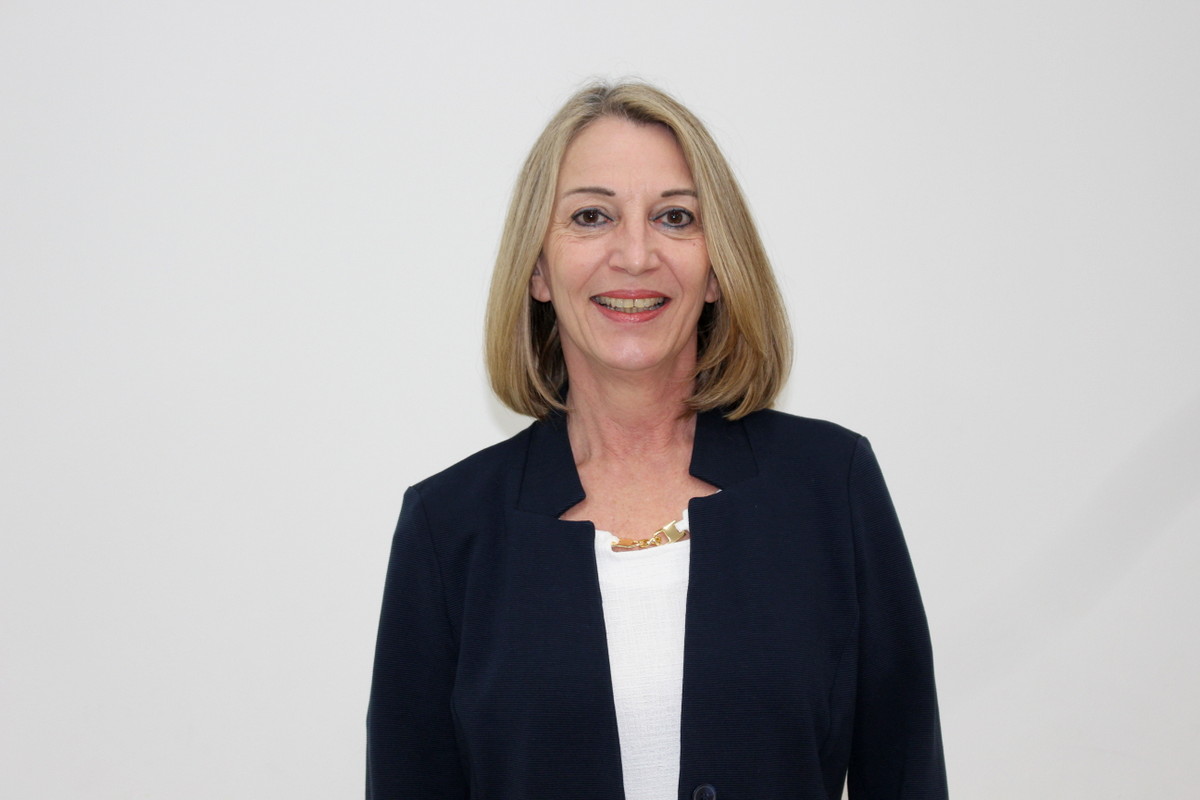
Graduated in Biological Sciences from the Ruprecht-Karls-Universität Heidelberg and graduated in Biosciences from the University of Tuebingen. Master's degree in Zoology from the University of Tuebingen. PhD in Natural Sciences from the University of Tuebingen.
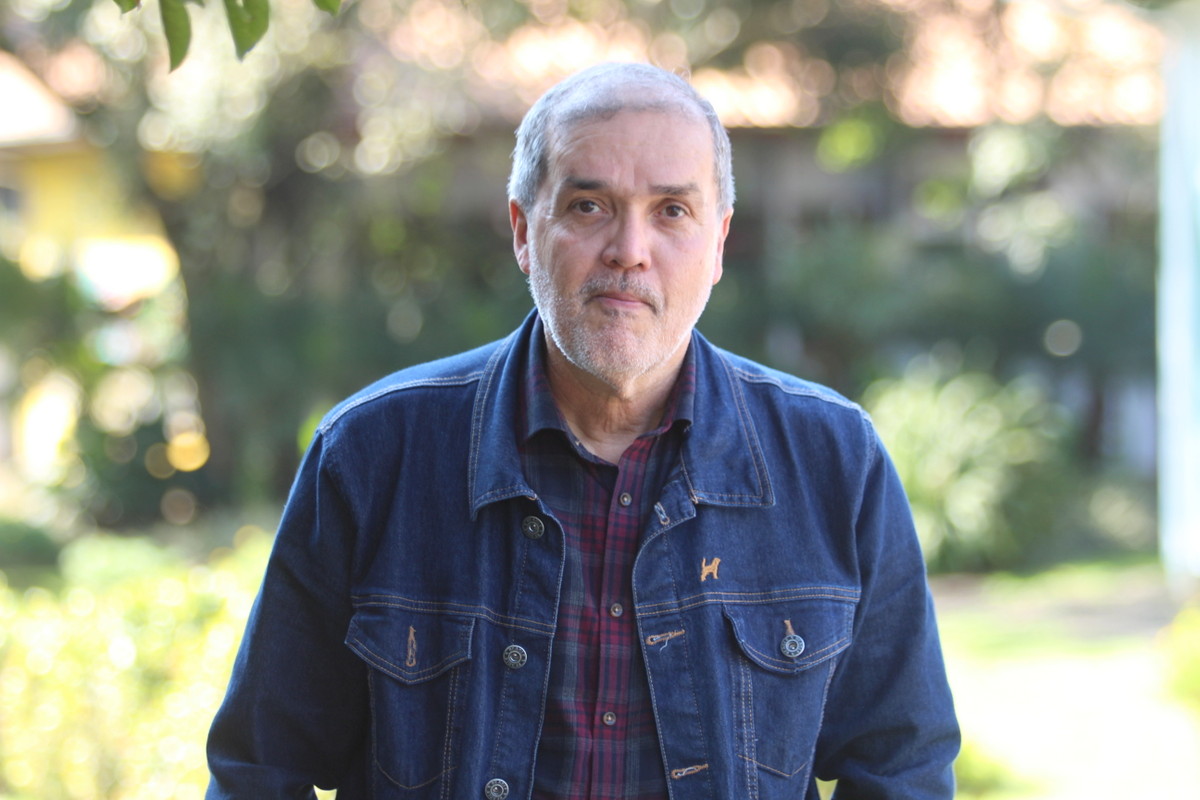
Graduated in Mining Engineering from the Universidade Federal de Pernambuco. PhD in Mineral Engineering from the University of São Paulo. Post-doctorate from the Universidade Federal de Santa Catarina.
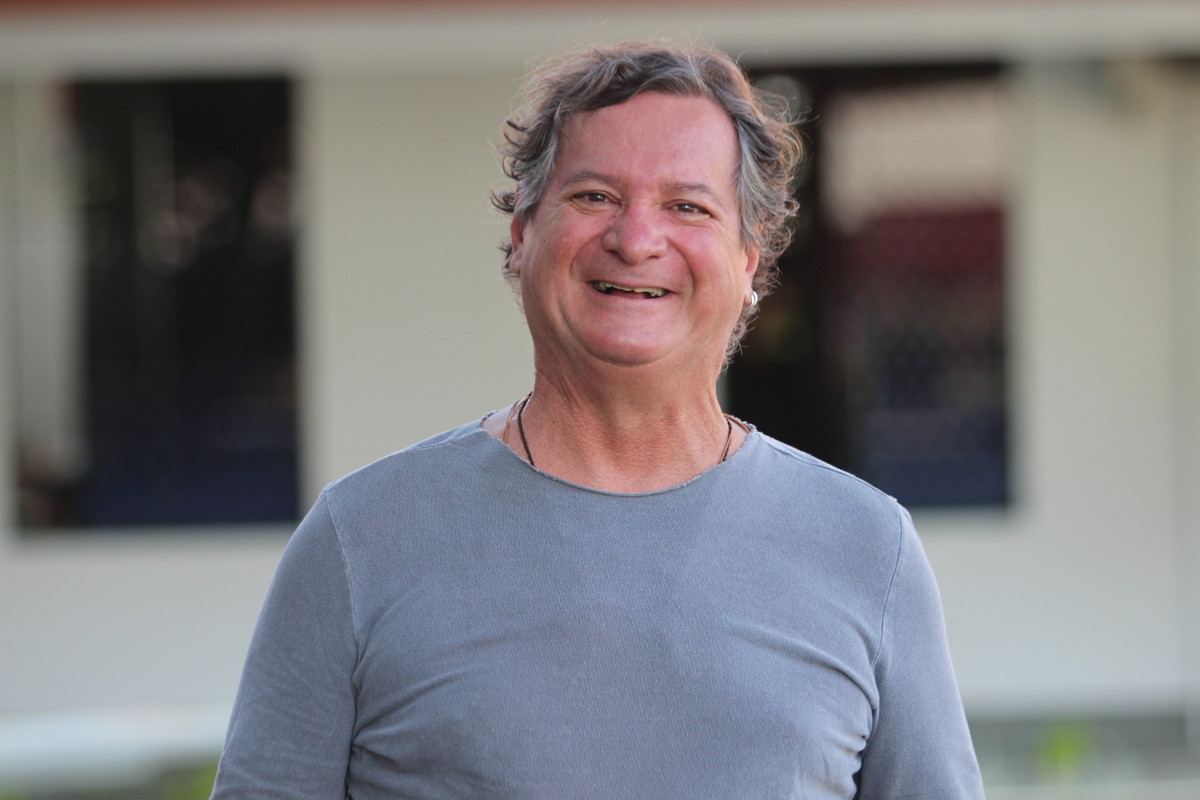
Graduated in Biological Sciences from the Universidade do Extremo Sul Catarinense. Master's in Animal Biology from the Universidade Federal de Rio Grande do Sul. PhD in Zoology from the Universidade Federal de Paraná.
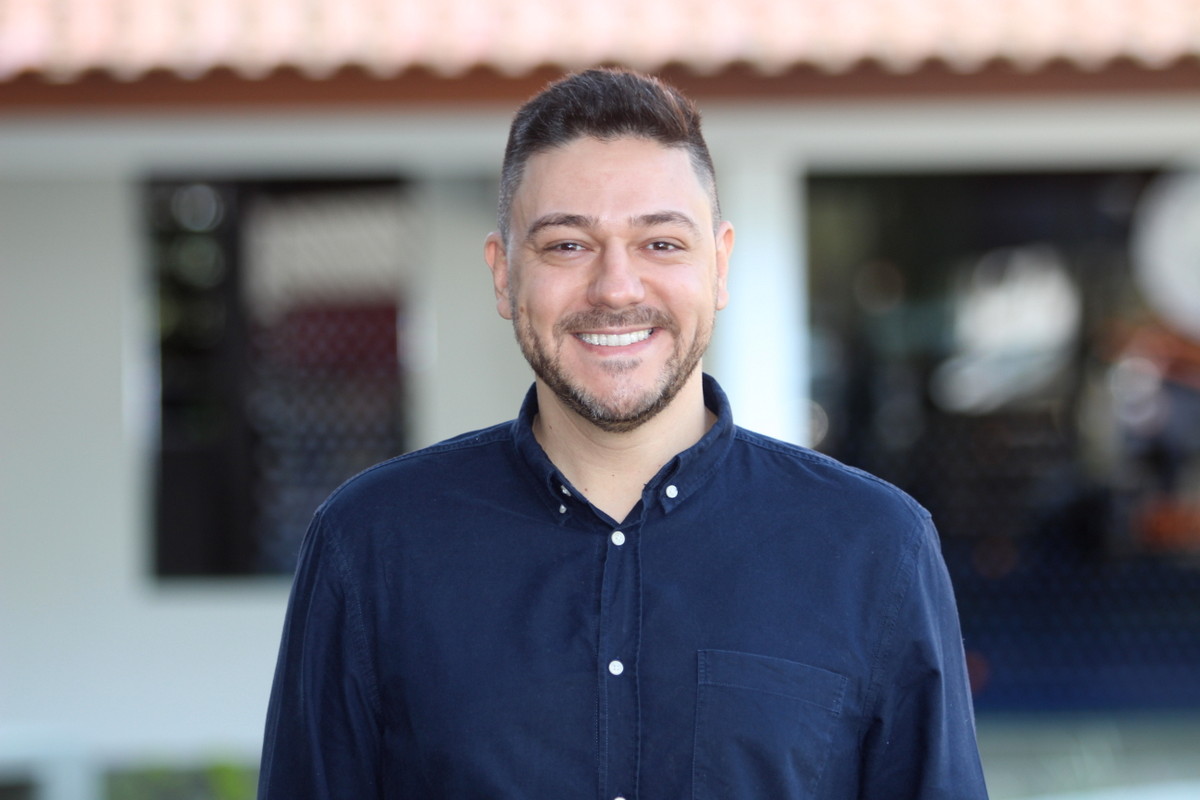
Graduated in Social Sciences (Bachelor’s and Teaching Degree) from the Universidade Federal de Santa Catarina. Master's in Political Sociology from the
Universidade Federal de Santa Catarina. PhD in Department of Environment and Research Studies from the Faculty Environmental Studies and Production and Systems Engineering from the Universidade Federal de Santa Catarina. Post-doctorate from the Faculty of Environmental Studies (Canada) and the Universidade Federal de Paraná.
Graduated in Biological Sciences from the Universidade do Extremo Sul Catarinense. Graduated in Biological Sciences (Teaching Degree) from the Centro Universitário Leonardo da Vinci. Master's degree in Environmental Sciences from the Universidade do Extremo Sul Catarinense. PhD in Environmental Sciences from the Universidade do Extremo Sul Catarinense. Post-doctorate from the Universidade do Extremo Sul Catarinense.
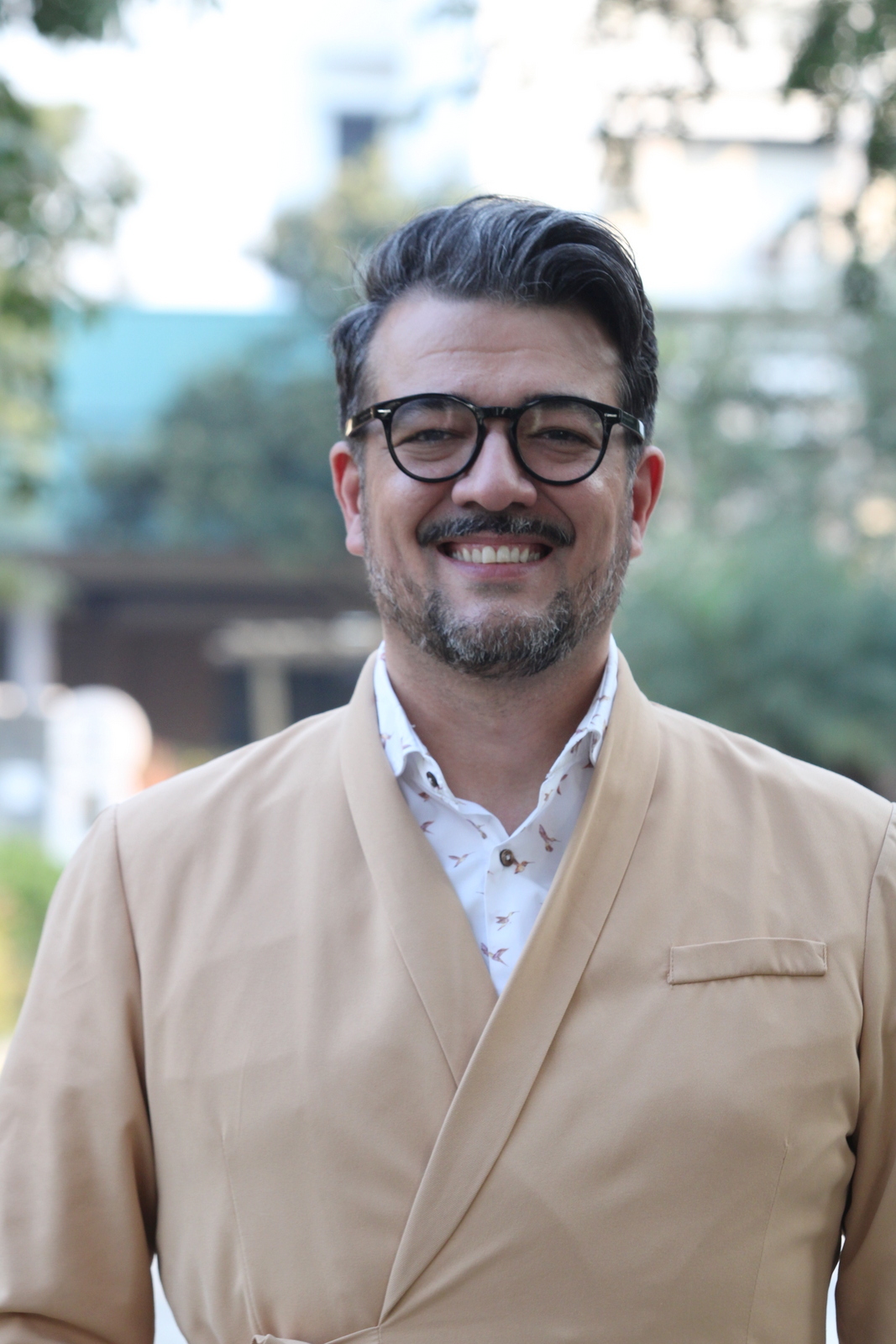
Bachelor's degree in History from the University of Southern Santa Catarina. Master's degree in History from the State University of Santa Catarina. PhD in History from the Federal University of Paraná.
Graduated in Biological Sciences from the University of Southern Santa Catarina. Master's degree in Ecology from the Federal University of Rio Grande do Sul. PhD in Botany from the Federal University of Rio Grande do Sul. Postdoctoral research at São Paulo State University Júlio de Mesquita Filho.
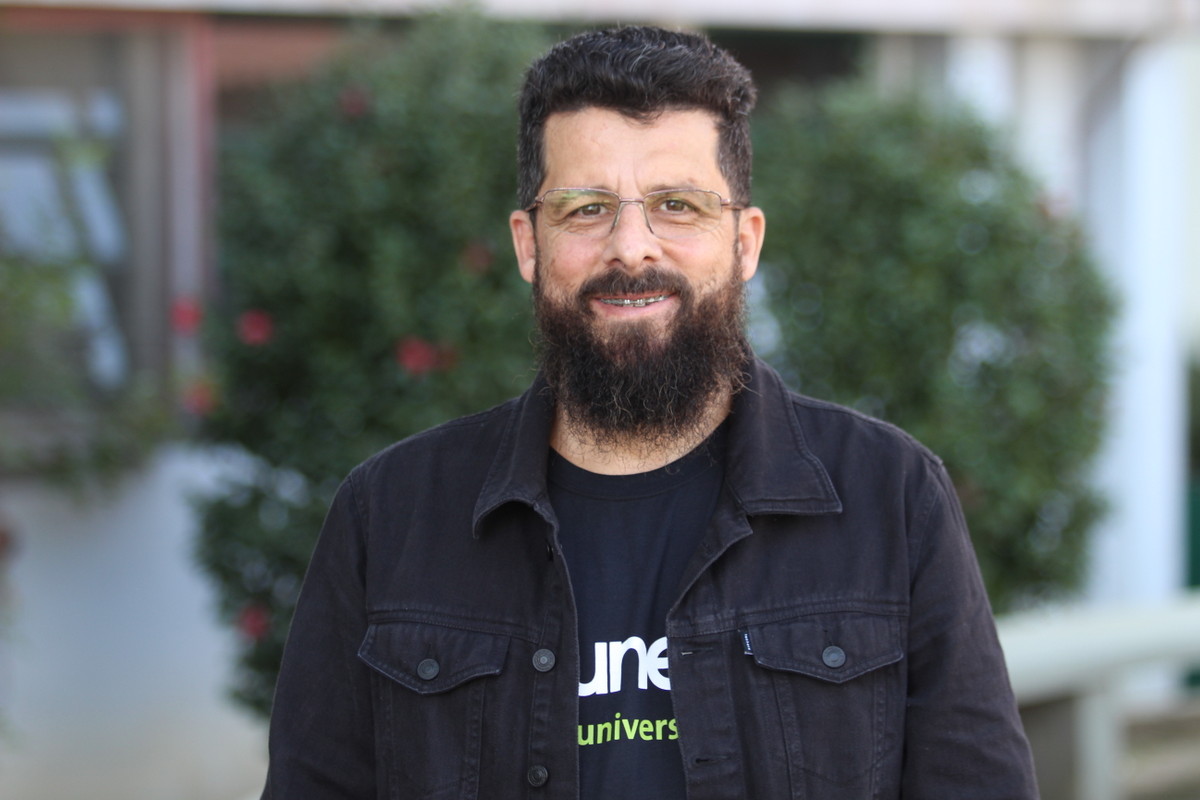
Graduated in History from the University of Southern Santa Catarina. Master's degree in Environmental Sciences from the University of Southern Santa Catarina. PhD in Quaternary, Materials and Cultures from the University of Trás-os-Montes and Alto Douro, Portugal, with diploma recognition in Brazil as a Doctor in Archaeology from the University of São Paulo. CNPq Productivity Research Fellow - Level 2.
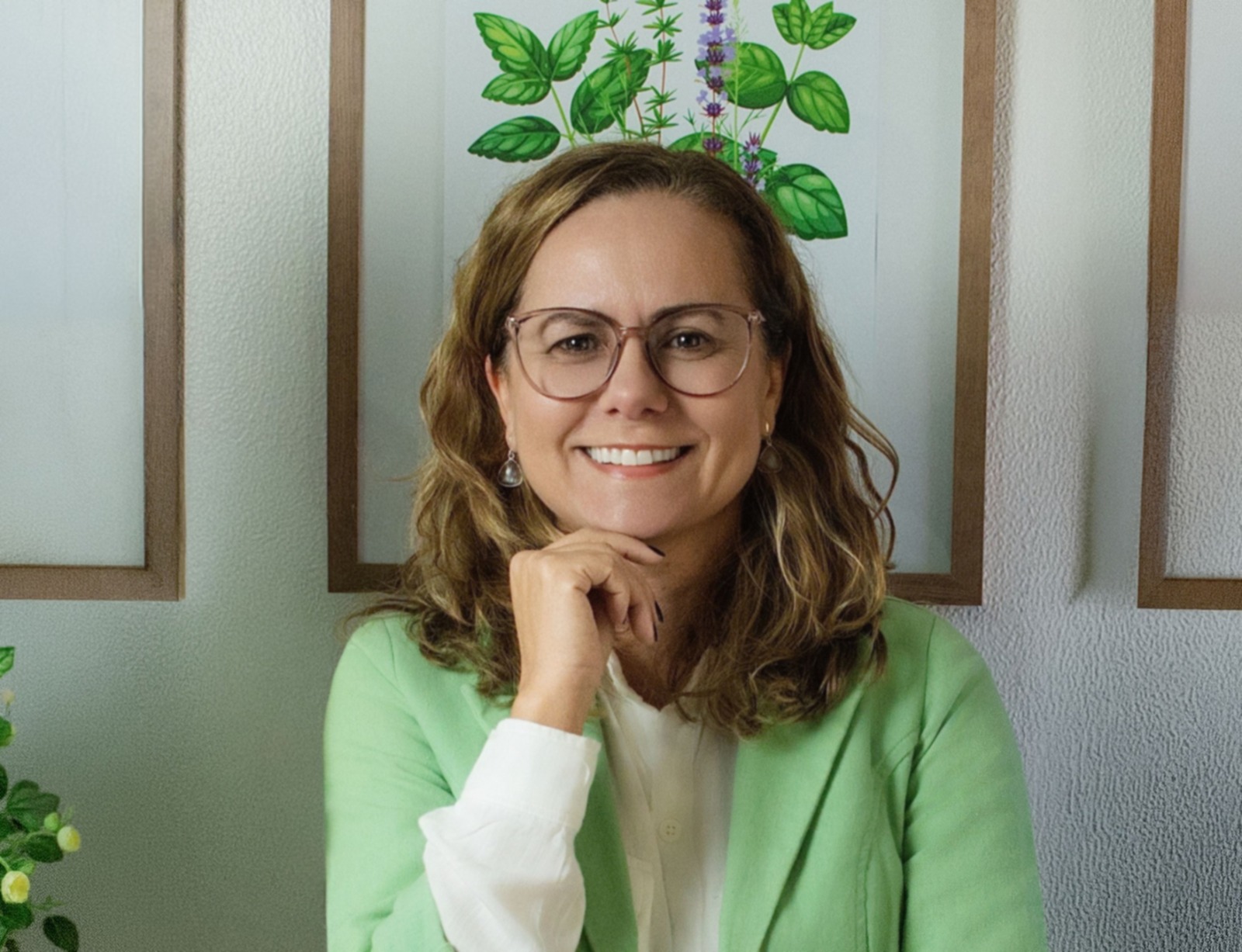
Graduated in Pharmacy from the University of Vale do Itajaí. Master's degree in Pharmaceutical Sciences from the Federal University of Rio Grande do Sul. PhD in Pharmaceutical Sciences from the Federal University of Rio Grande do Sul. Postdoctoral research at Université de Rennes1 (France).
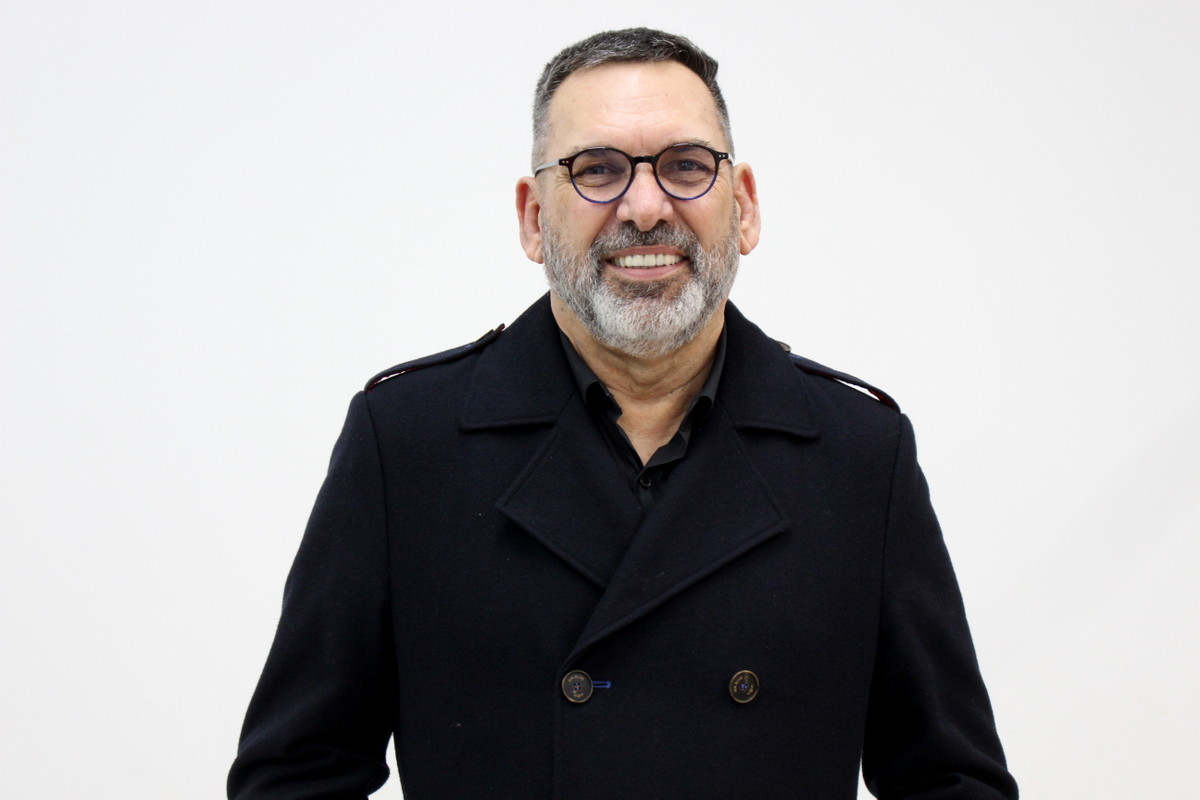
Graduated in Biological Sciences from the University of Southern Santa Catarina and graduated in Industrial Chemistry from the University of Southern Santa Catarina. Master's degree in Agricultural and Environmental Microbiology from the Federal University of Rio Grande do Sul. PhD in Mineral Engineering from the University of São Paulo.
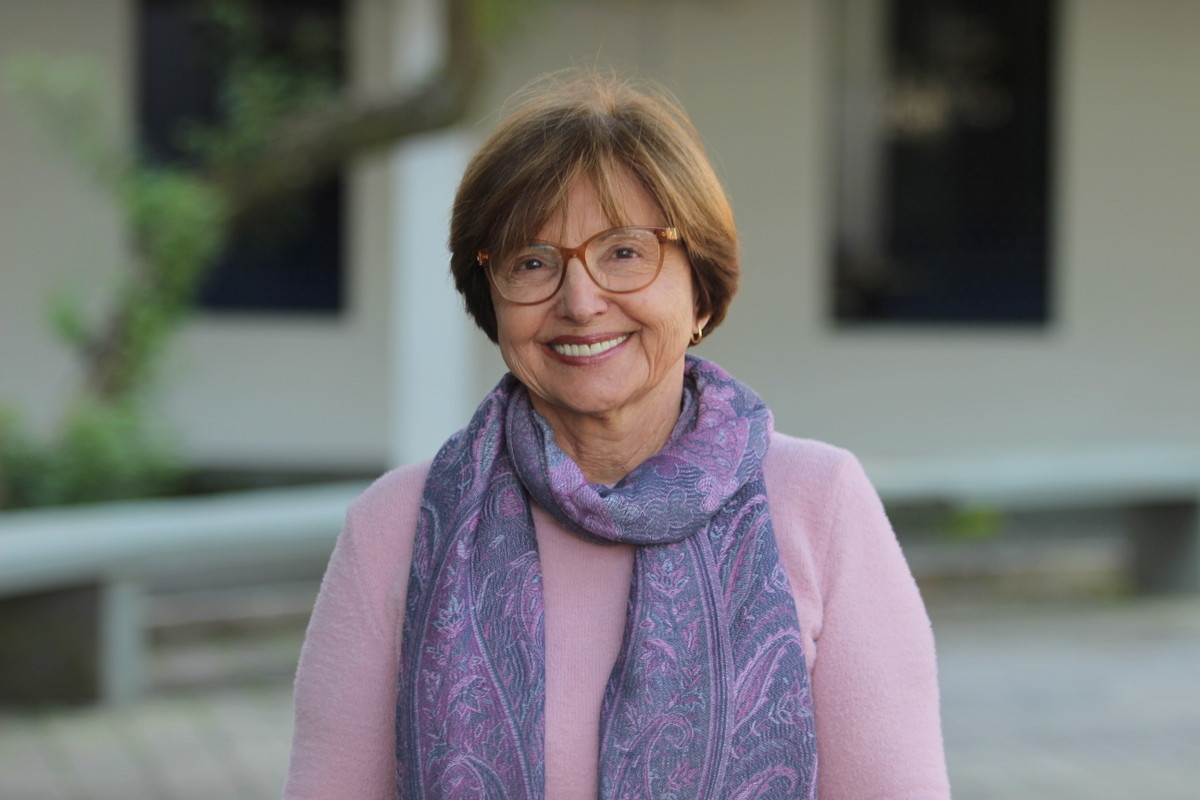
Graduated in Biological Sciences from the University of Southern Santa Catarina. Master's degree in Botany from the Federal University of Rio Grande do Sul. PhD in Ecology and Natural Resources from the Federal University of São Carlos. Postdoctoral research at Royal Roads University (Canada).
Bachelor's degree in Journalism from the Federal University of Santa Catarina. Master's degree in Social Anthropology from the Federal University of Santa Catarina. PhD in Social Anthropology from the Federal University of Santa Catarina. Postdoctoral research at the Free University of Amsterdam (Netherlands).
To participate in the selection processes, please pay attention to the announcements below:
To apply for scholarships, please pay attention to the announcements.
Closed
Learn more about the deadlines, announcements, and documents required for this Selection Process.
Closed
Learn more about the deadlines, announcements, and documents required for this Selection Process.
Closed
Learn more about the deadlines, announcements, and documents required for this Selection Process.
Closed
Learn more about the deadlines, announcements, and documents required for this Selection Process.
Closed
Learn more about the deadlines, announcements, and documents required for this Selection Process.
Closed
Learn more about the deadlines, announcements, and documents required for this Selection Process.
Closed
Learn more about the deadlines, announcements, and documents required for this Selection Process.
Closed
Learn more about the deadlines, announcements, and documents required for this Selection Process.
Closed
Learn more about the deadlines, announcements, and documents required for this Selection Process.
Closed
Learn more about the deadlines, announcements, and documents required for this Selection Process.
Closed
Learn more about the deadlines, announcements, and documents required for this Selection Process.
Closed
Learn more about the deadlines, announcements, and documents required for this Selection Process.
Closed
Learn more about the deadlines, announcements, and documents required for this Selection Process.
The intellectual production in the Graduate Program in Environmental Sciences stands out for creating new knowledge that drives science and innovation. This production results from rigorous scientific research and addresses critical issues ranging from ecosystem conservation to the sustainable development of urban and rural areas, valuing the knowledge of traditional peoples and communities in a perspective of articulation and convergence of knowledge.
Access and learn about the research groups of the PPGCA and their members
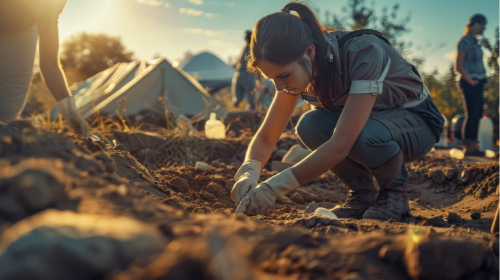
Access here and read the full Course Completion Papers of the Master's in Environmental Sciences.
Access here and read the full Course Completion Papers of the Doctorate in Environmental Sciences.
The Graduate Program in Environmental Sciences prioritizes the development of research that addresses relevant socio-environmental issues for society. Through extension actions, events, courses, and applied projects, researchers work to improve the quality of life for local populations, promoting environmental education and sustainable resource management solutions. In this way, the program directly contributes to strengthening public policies and practices that benefit society as a whole, with an emphasis on sustainable regional development.
The Graduate Program in Environmental Sciences values global collaboration and encourages internationalization in all its activities. Through partnerships with world-renowned institutions, exchanges, and international co-supervisions, our students and faculty have access to a diverse and intercultural knowledge network. This approach broadens research perspectives, empowers our students to operate in an increasingly complex global reality, and positions the program as a reference in innovative socio-environmental solutions, aligned with the current market demands and challenges, in the pursuit of building a socially just, ethical, and ecologically balanced society.


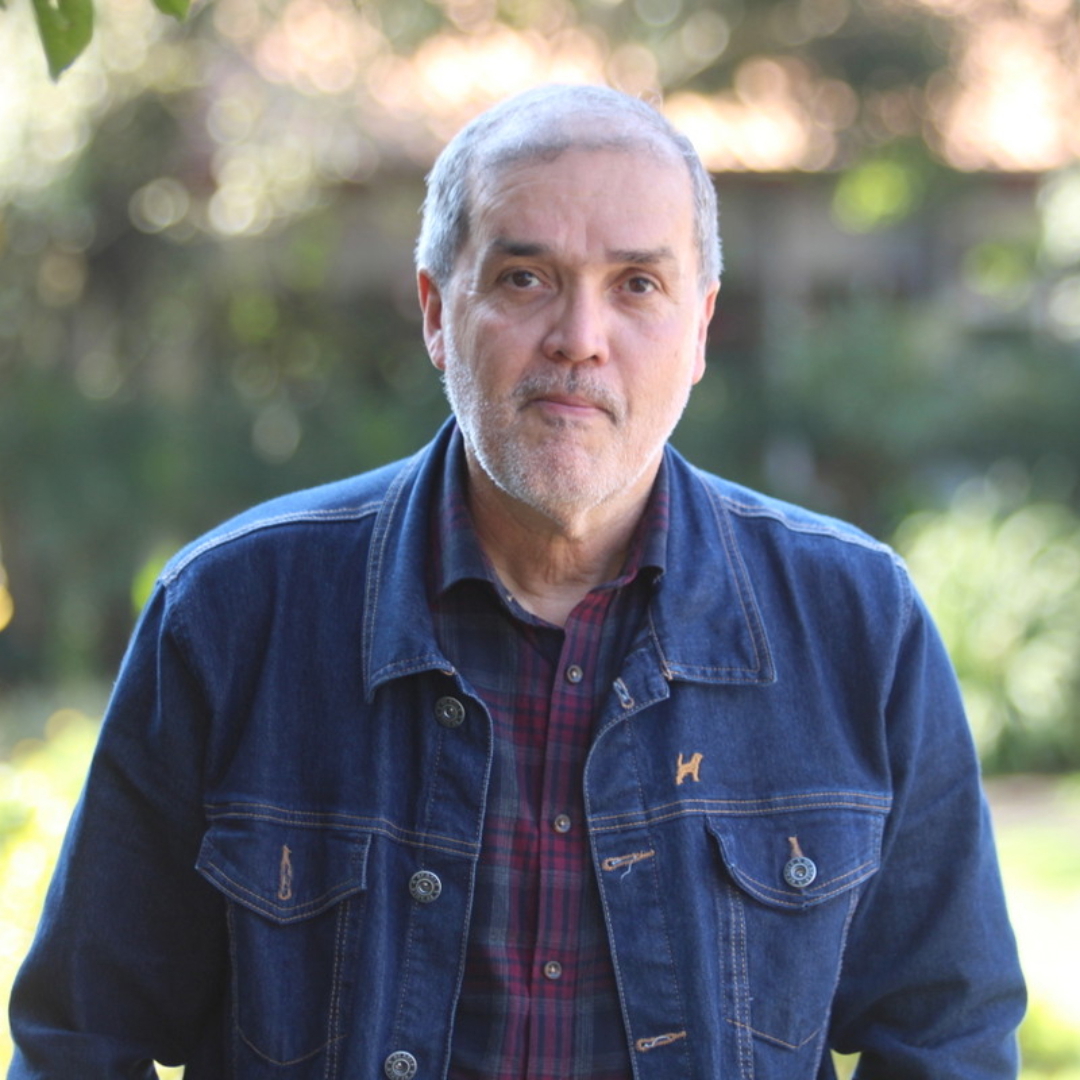
Dr. Carlyle Torres Bezerra de Menezes
Dr. Álvaro José Back
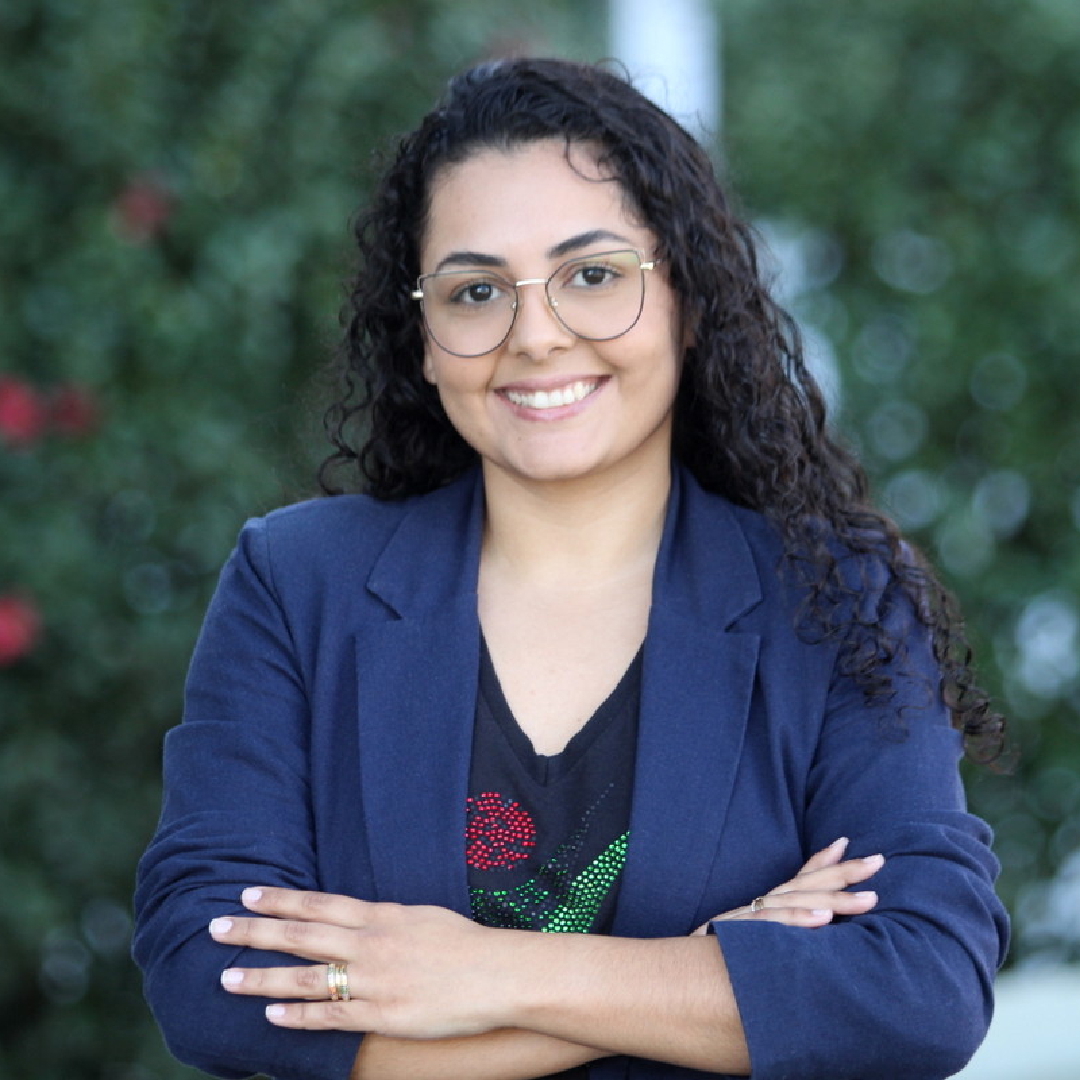
Michele Ribeiro
Contact our office.
