Integratur: Unesc presents a tourism integration model to Amurel
Tourism does not end at the borders of a municipality. Visitors can also discover the gastronomy, culture, natural attractions, and experiences offered by neighboring locations. It is the p...

Publicado por: Mayara Cardoso
em 16 de outubro de 2026
Tempo de leitura: 5 minutos.

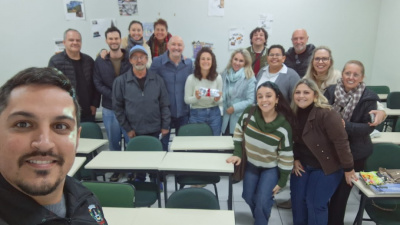
Tourism does not stop at the borders of a municipality. Visitors can also discover the gastronomy, culture, natural attractions, and experiences offered by neighboring locations. It is from this integrated vision of the territory that Unesc presented the Integratur Program to the mayors of the Association of Municipalities of the Laguna Region (Amurel) on Thursday (10/15) in Tubarão.
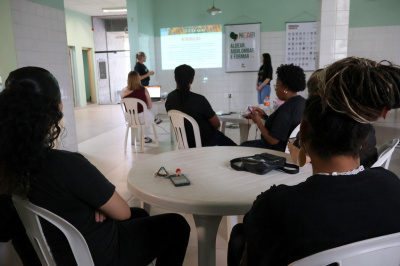
 The presentation took place during the Ordinary General Assembly at the association's headquarters and marked an initial institutional contact to share the experience developed by the University through the Agency for Development, Innovation, and Technology Transfer (Aditt), and to present cooperation possibilities for the tourism development of Southern Santa Catarina.
Beyond promoting attractions, Integratur proposes a regional development methodology that combines territorial planning, qualification of the tourism offer, institutional articulation, and market access strategies. The model considers the characteristics and vocations of each municipality, identifying opportunities for complementarity between destinations, enterprises, and experiences.
For the president of Amurel and mayor of Gravatal, Clei Rodrigues, the presented methodology offers possibilities for municipalities to identify opportunities and advance in sector planning.
“The program allows us to gather information from the municipalities and build an accurate diagnosis of how tourism is currently managed, what needs improvement, and which attractions have the potential to become tourism products. We need to think of tourism as a region, and Integratur is a very interesting tool in this regard,” Rodrigues emphasized.
Tourism as an economic development strategy
During the presentation, the coordinator of Integratur, Paulo Priante, emphasized that tourism needs to be understood as an economic activity capable of mobilizing different sectors and generating results for the territories.
“Tourism involves a broad production chain that connects enterprises, services, commerce, culture, gastronomy, and local attractions. When worked on strategically and integratively, it contributes to diversifying the economy, generating business opportunities, and strengthening municipal revenues,” Priante highlighted.
In this context, according to Paulo, regional integration allows municipalities to stop acting in isolation and start building a more diverse and attractive tourism offer. The complementarity between destinations expands the possibilities for visitor circulation, longer stays in the region, and consumption of local products and services.
From territory organization to destination promotion
The technical leader of Integratur, Tayse Borghezan Nicoladelli, explained that the methodology is structured in two complementary fronts: tourism management and promotion, through a platform that geospatially organizes the tourism offer of the municipalities, facilitating its identification, integration, and dissemination.
“It is not enough to recognize the tourism potential of a municipality; it is essential to map the existing offer, organize attractions, services, and experiences, connect the involved actors, and create conditions for this offer to reach the market. Integratur operates precisely in this articulation between planning, qualification, and promotion, respecting the particularities of each territory and strengthening the complementarity between municipalities to generate results for the entire region,” Tayse explained.
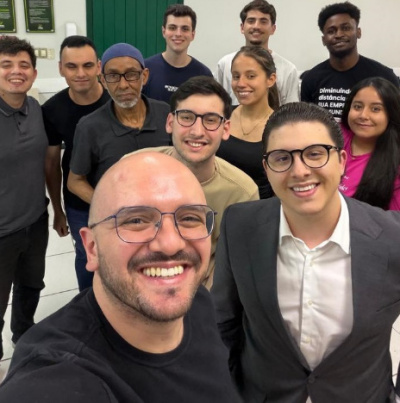
The work is developed by a multidisciplinary team, bringing together knowledge from the fields of tourism, communication, and marketing, focusing on both strengthening public management and enhancing the visibility and quality of tourism enterprises and experiences.
Regional integration and new cooperation possibilities
Acquired by Amrec for execution in the 12 municipalities of the Association, Integratur has been consolidating a methodology that articulates technical knowledge, public management, and private initiative to strengthen regional tourism.
The experience is also beginning to reach other territories in Southern Santa Catarina. In the region of the Association of Municipalities of Extreme Southern Santa Catarina (Amesc), institutional articulations are at a more advanced stage, including the presentation of the program to the community of Araranguá, which took place in September.
In Amurel, the meeting with the mayors marked the beginning of the dialogue to present the methodology and share the possibilities for tourism development through integration between municipalities.
Text: Janine Limas - Integratur Press Office
Tags: